
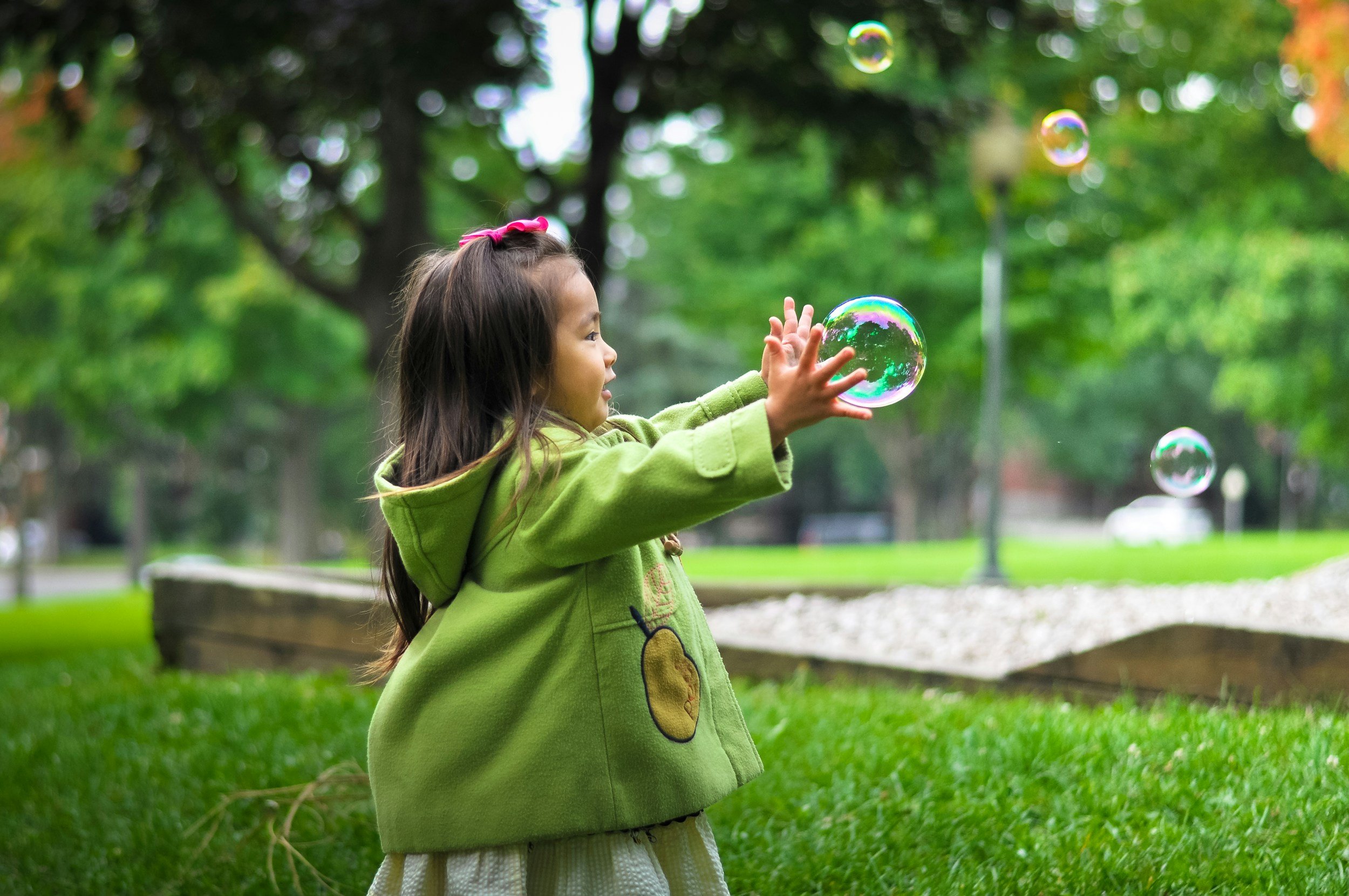
Community-based ABA therapy brings learning into authentic, real-world environments where children naturally live, learn, and interact. Sessions take place in locations such as parks, grocery stores, restaurants, and other public settings. This approach allows children to practice skills in the exact environments where they are expected to use them.
Why Community ABA Is a Strong Option:
Authentic Environments for Real Learning: Skills are taught and practiced in a natural setting, making them more meaningful and easier to generalize. For example, a child can practice waiting in line at a store, ordering food at a restaurant, greeting peers at the playground, or following safety rules while crossing the street.
Improved Social Skills: Community sessions provide structured opportunities to build peer interaction, conversational skills, and appropriate social behavior in real-life situations rather than simulated practice.
Greater Independence: Children learn practical life skills such as navigating public spaces, handling money, tolerating transitions, and managing unexpected changes.
Increased Confidence and Flexibility: Exposure to new settings with therapist support helps children build coping strategies, reduce anxiety, and become more adaptable in unfamiliar environments.
Functional Relevance: Because therapy occurs where skills are naturally required, progress is directly connected to everyday functioning. This increases carryover across settings and supports lasting success.